Originally reported by Paradigm on November 3, 2026 (UTC+08:00). Solar v0.3 is a Rust-written Solidity compiler that generates EVM bytecode and is available through Forge. It also provides the frontend for forge lsp, a Solidity language server.
What the reported benchmarks show
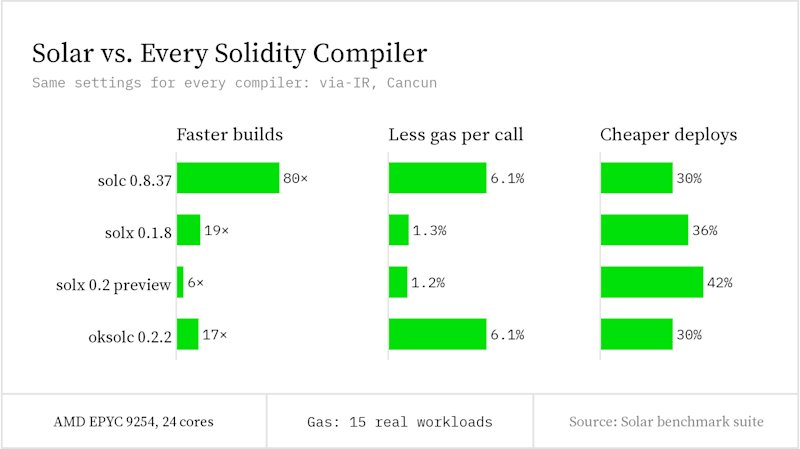
Paradigm says Solar built six real-world Solidity projects 100× faster on average than solc using its via-IR pipeline, with a maximum of 159×. That comparison used Solar’s default eight threads and one thread for solc. Paradigm reports that, when Solar used one thread, it was still 19× faster than solc with via-IR. In the reported tests, solc with via-IR failed to build Uniswap v4 core and Seaport with a “Stack too deep” error.
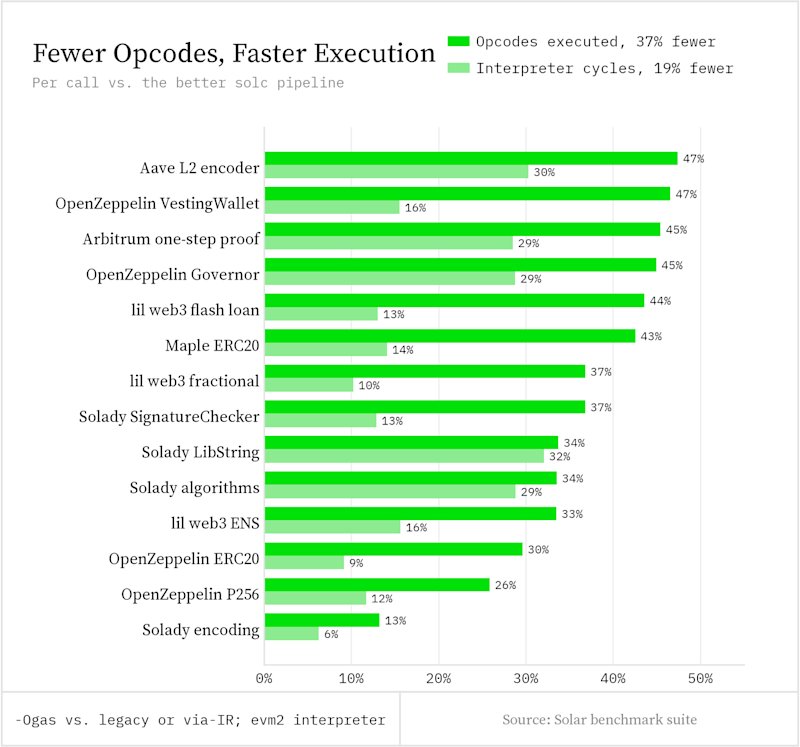
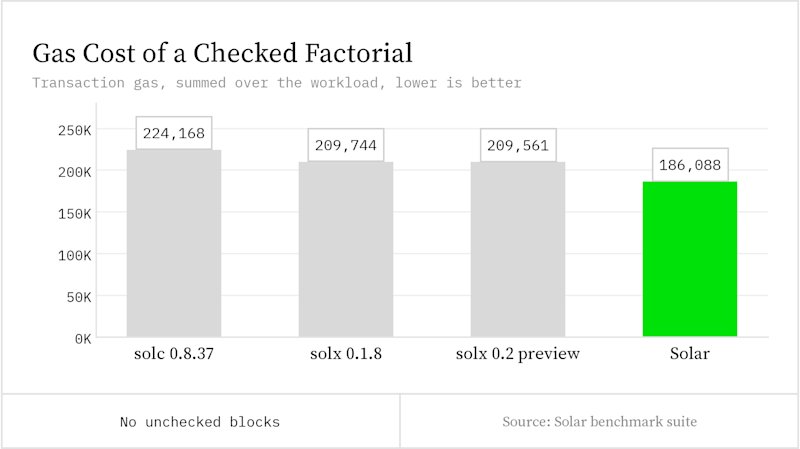
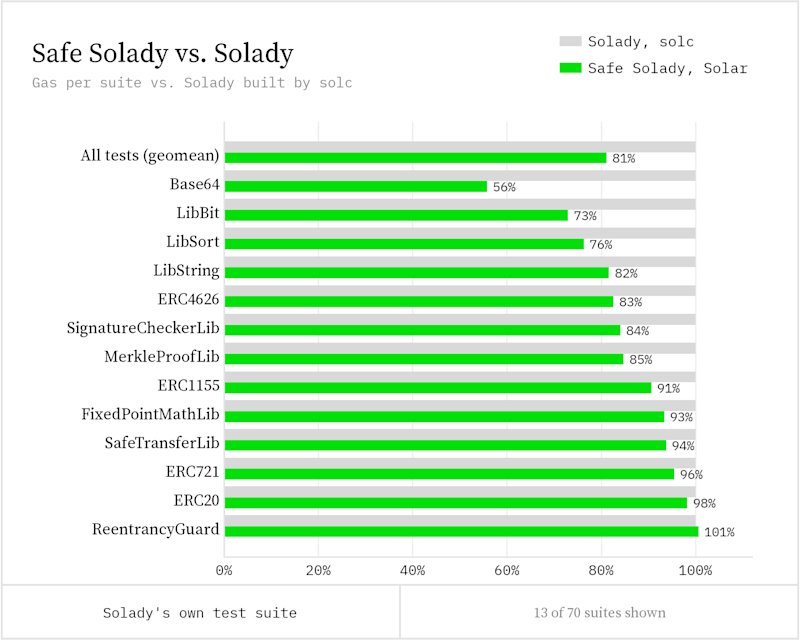
In a separate benchmark using each project’s own compiler settings, Paradigm reports that Solar’s output used 5% less gas to run, cost 26% less to deploy and was 29% smaller than solc output. These are results from the projects and workloads tested, not a guarantee for every contract. Paradigm also reports that its checked-Solidity rewrite of Solady, compiled with Solar, used 19% less gas than the original Solady compiled with solc.
Try it in a Foundry project
Update Foundry, then run the build and tests with Solar:
foundryup
forge build --use solar
forge test --use solar
To try Solar’s language-server analysis in the project, run:
forge lsp
A successful build shows that Solar can compile the project; passing tests let you check its behavior against your existing test suite. Paradigm asks developers to report projects that do not build or tests that behave differently from solc.
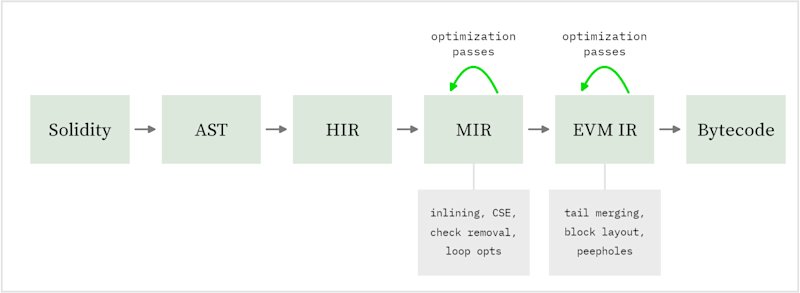
Solar’s reported compiler benchmarks used Solar commit 0303bb7d and solc 0.8.38. Paradigm describes compiler security checks, formally verified optimization tooling, a standard library and ethdebug support as future work—not features delivered by this release.
Source: paradigm.xyz (originally published 2026-11-03 00:00 UTC+8)