Originally reported by 深潮 TechFlow on November 16, 2026, at 09:29 (UTC+8). The article credits Lithos.eth as author and 深潮 TechFlow for the Chinese translation.
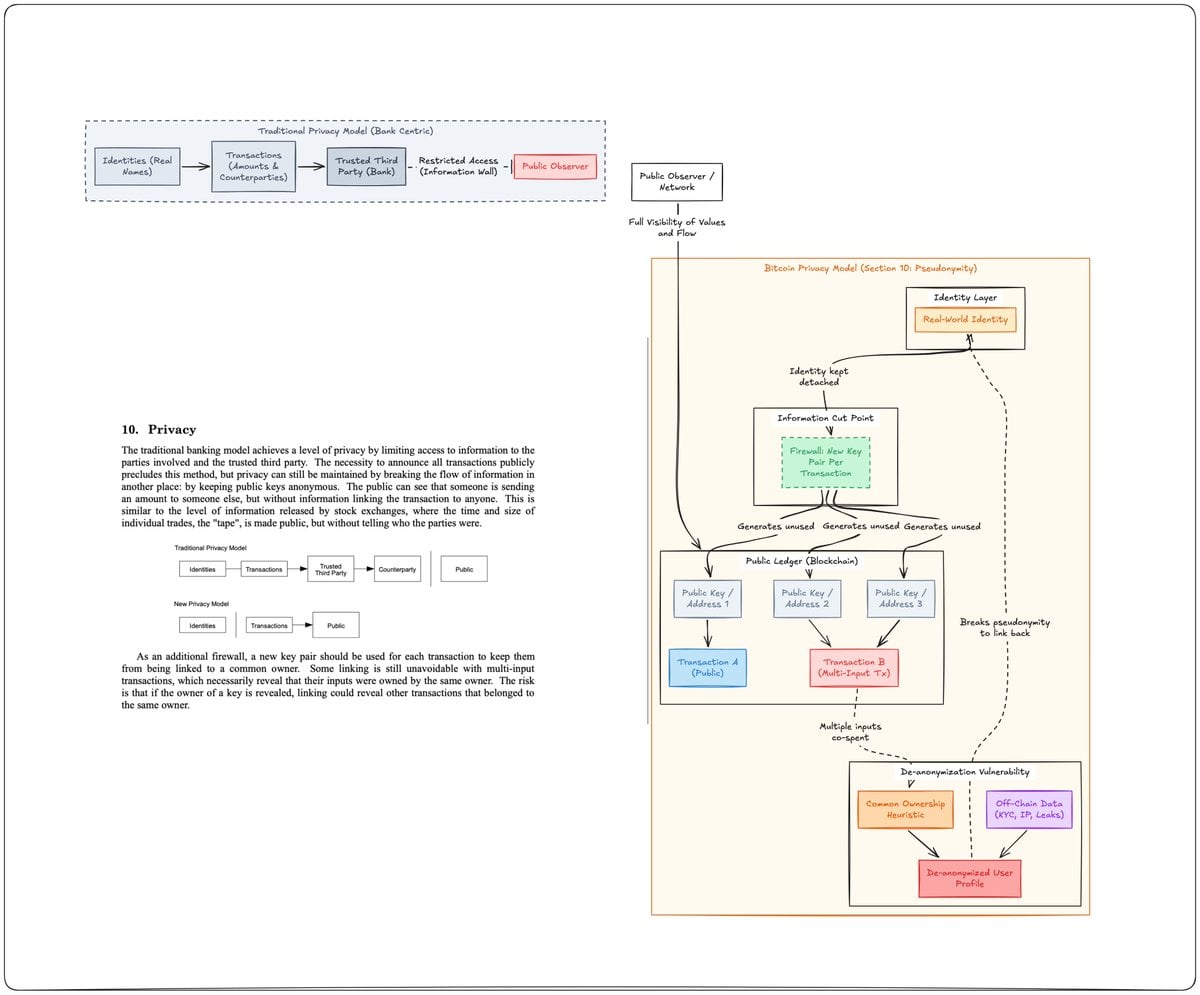
Bitcoin lets anyone verify its transaction history without relying on a bank. That same public record exposes transaction inputs, outputs and amounts. Section 10 of Satoshi Nakamoto’s 2008 white paper acknowledged the trade-off: keeping public keys unlinked to real identities could offer some privacy, but it would not make payments confidential.
For builders and users, the practical question is not whether a tool is labelled “private.” It is which information it hides, from whom, and at what stage of a transaction.
What is visible in a Bitcoin payment?
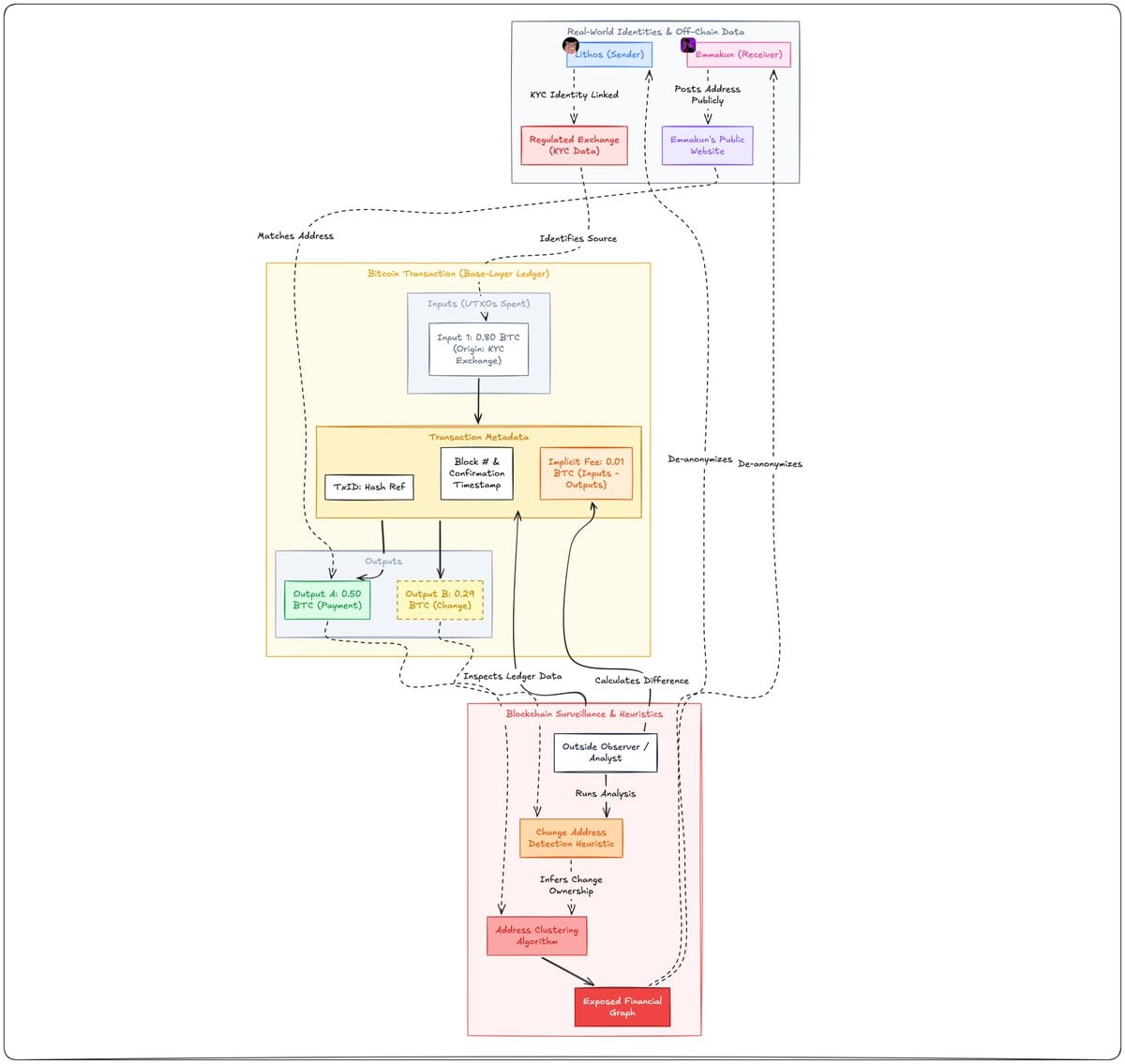
An observer can inspect the inputs a transaction spends, its output addresses and amounts, and the block in which it was confirmed. The difference between total inputs and outputs reveals the fee. A Bitcoin address does not itself contain a person’s name, but an address linked to someone through outside information can make their activity easier to investigate.
Nakamoto suggested using a new key pair for each transaction to make links harder to establish. He also noted a limitation: spending multiple inputs together can reveal that they have a common owner. Analysts may try to identify which output is change returned to the sender, though those guesses are not always correct. Bitcoin’s base layer is therefore pseudonymous, not confidential.
How later designs changed the privacy model
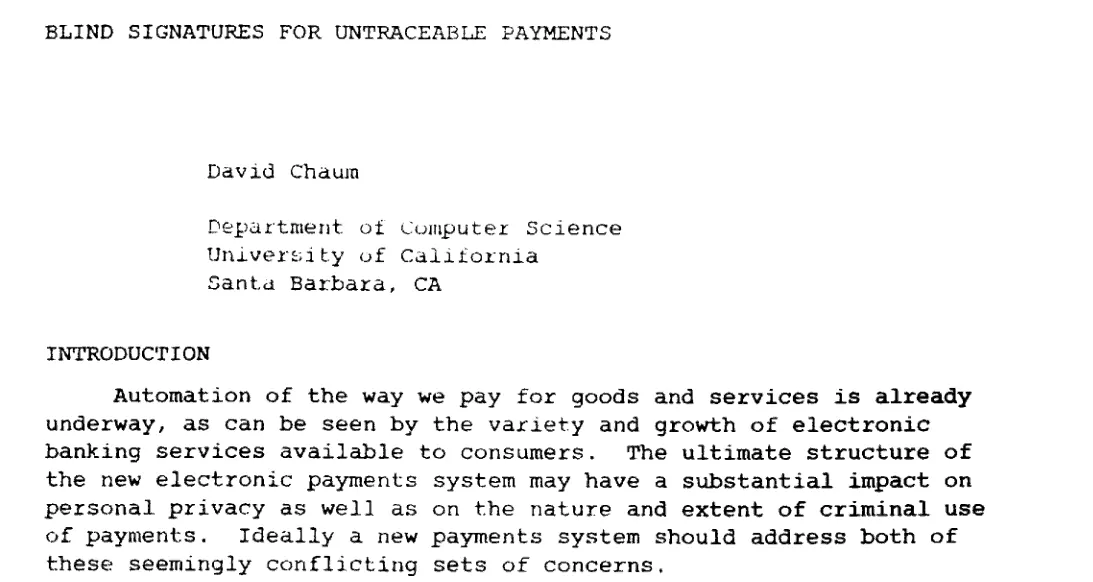
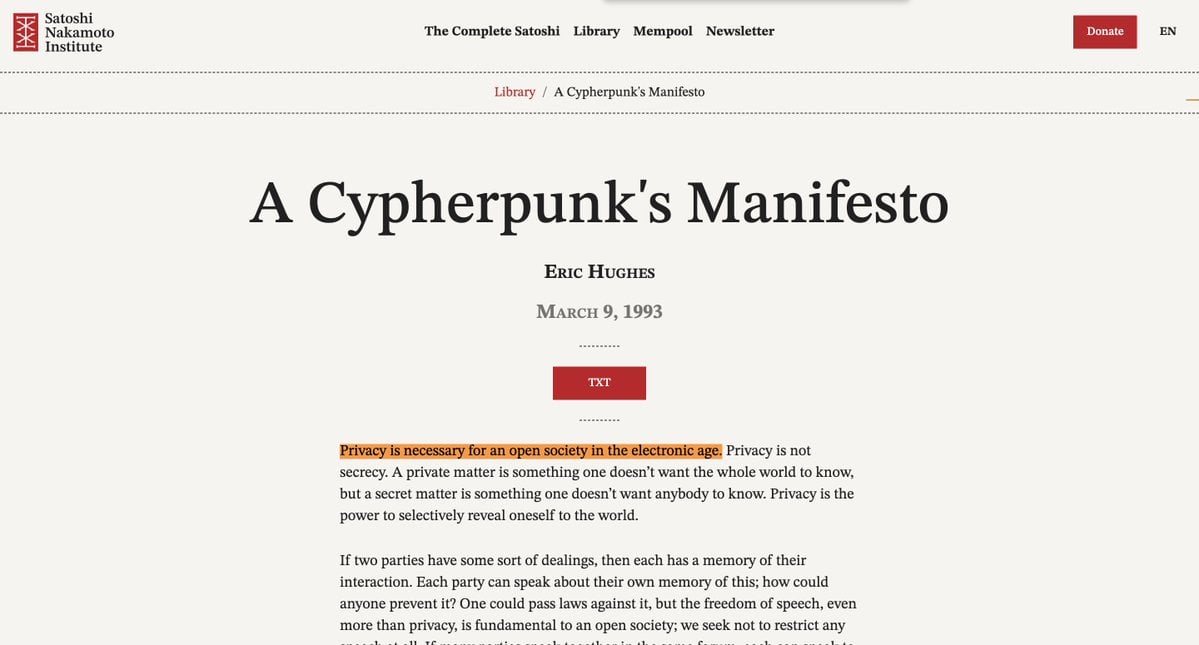
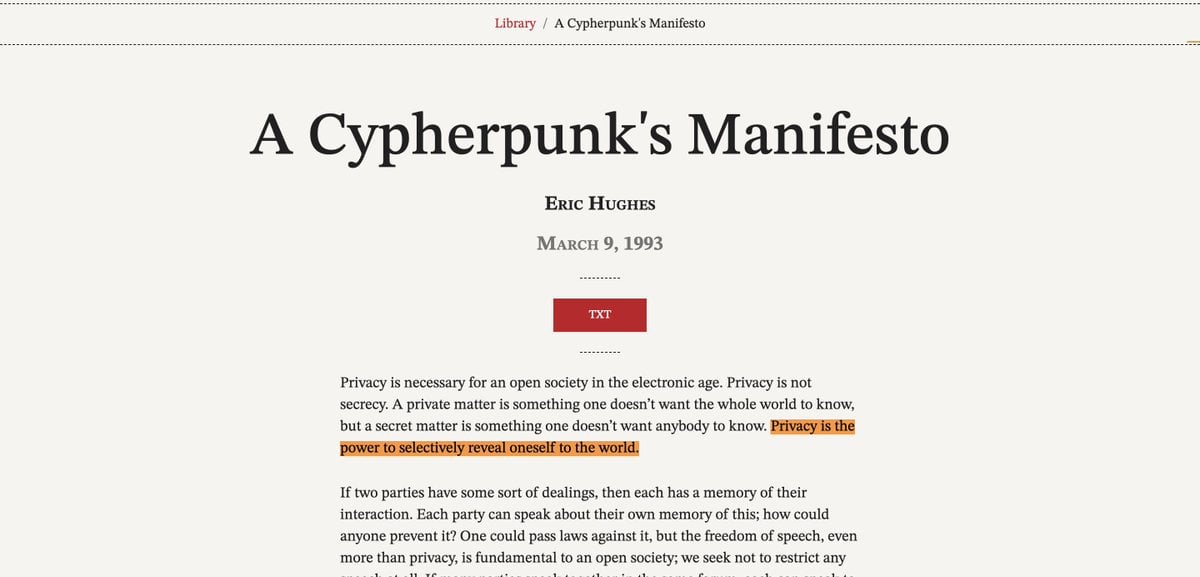
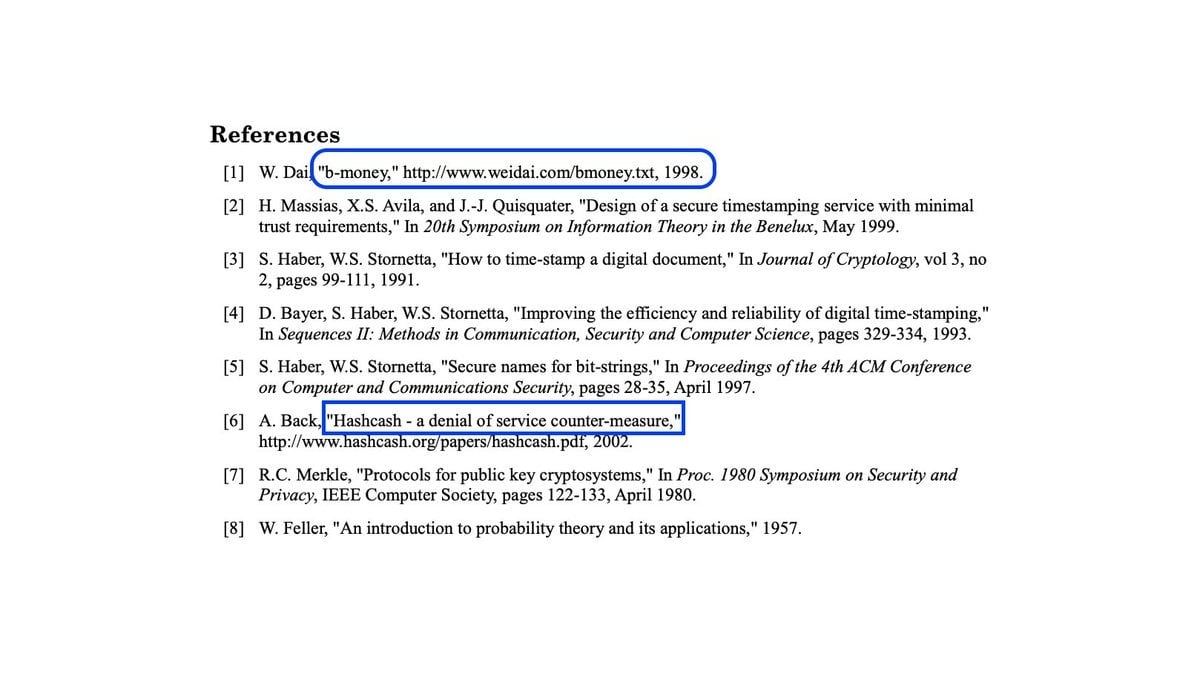
The search for private digital payments predates Bitcoin. David Chaum’s 1982 work on blind signatures examined how to prevent an issuer from linking a signed payment credential to its eventual use, while still relying on a central issuer. The later cypherpunk discussion emphasized people’s ability to choose what they disclose. Bitcoin’s white paper cited Adam Back’s Hashcash and Wei Dai’s b-money among its predecessors.
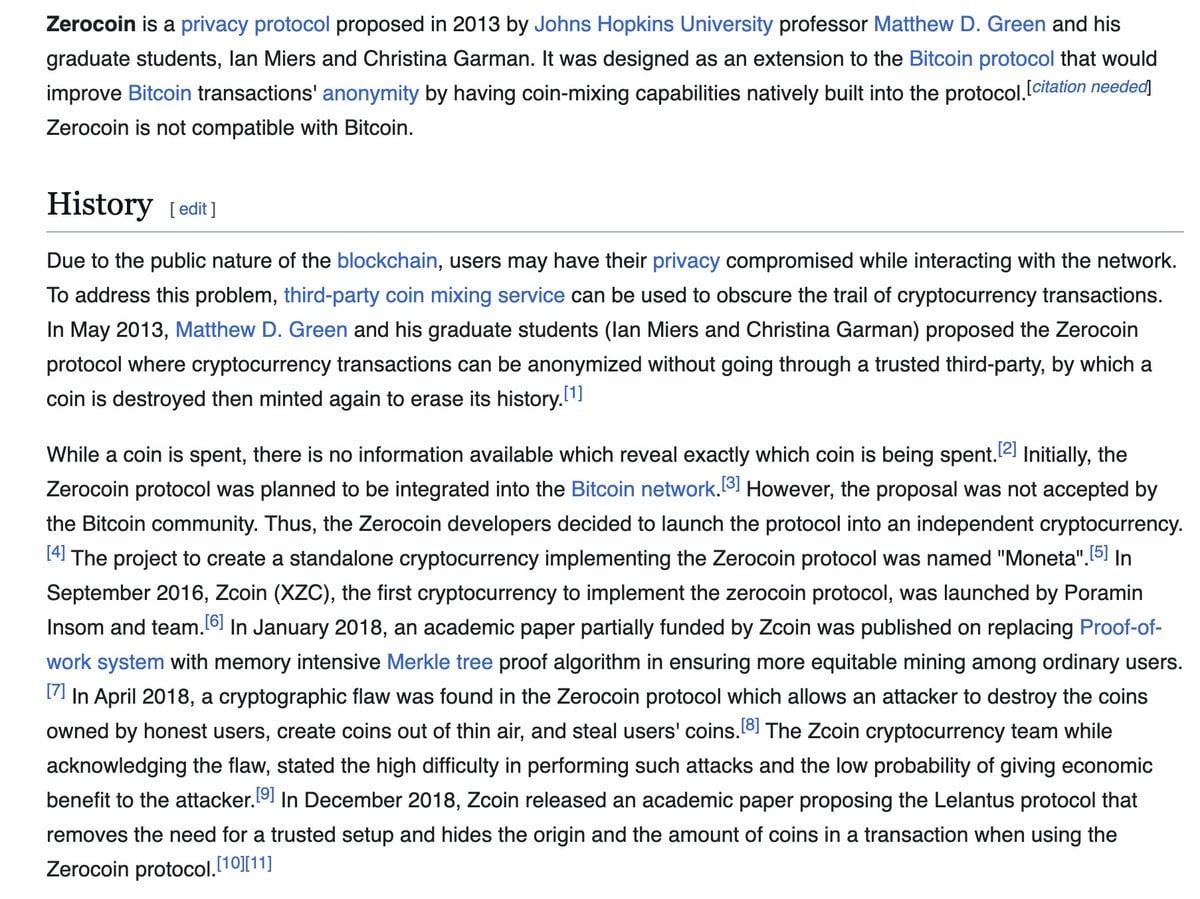
Research then moved from making public transactions harder to link toward hiding payment details while retaining verification. The 2013 Zerocoin paper examined breaking the link to a payment’s source but still exposed its destination and amount. The 2014 Zerocash paper used zk-SNARKs to describe a system that could hide sender, recipient and amount while allowing validity checks.
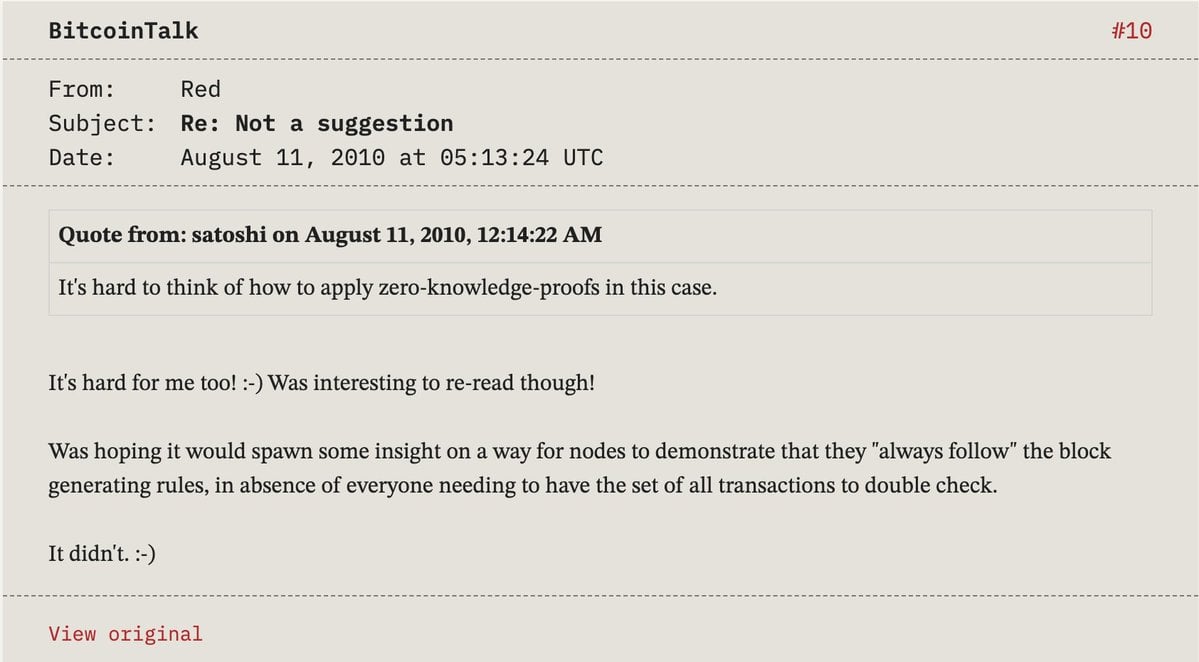
These ideas address different problems. In a 2010 BitcoinTalk discussion, Nakamoto said it was difficult to see how zero-knowledge proofs could help with the specific challenge of checking for double-spending without enough transaction-history information. That was not a claim that zero-knowledge proofs had no use for payment privacy.
Compare the protection, not the label
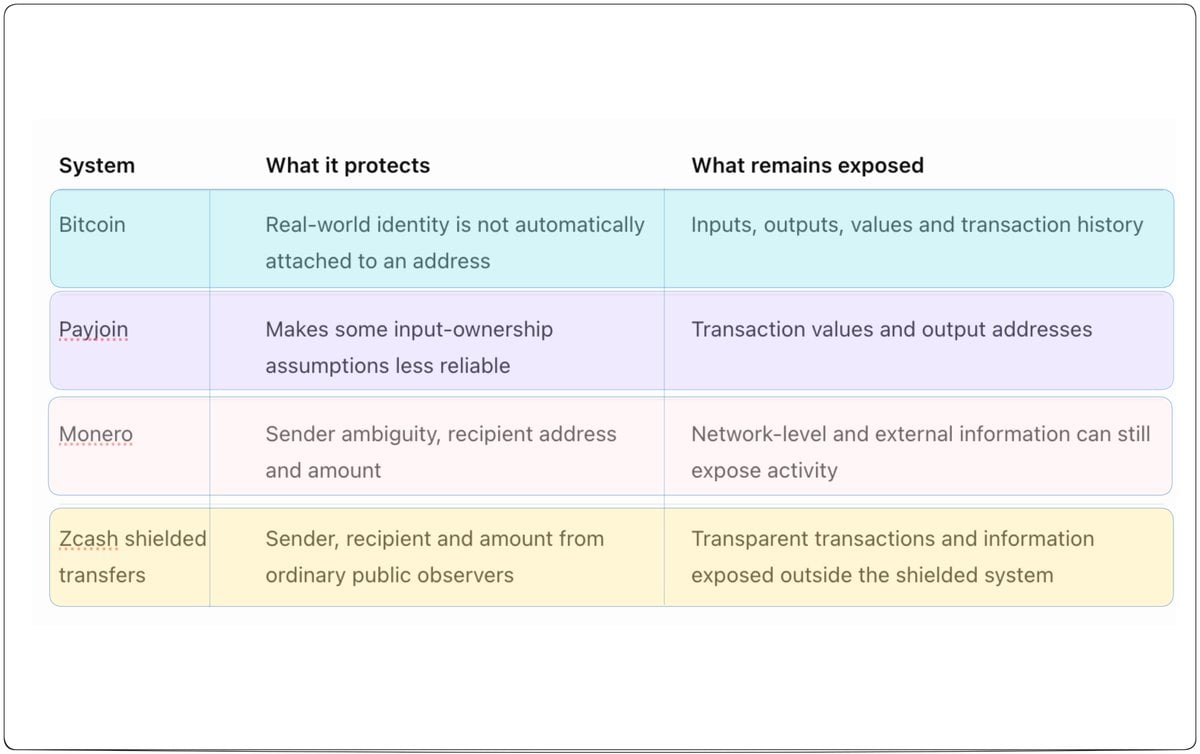
| Approach | What the source says it protects | Important boundary |
|---|---|---|
| Bitcoin Payjoin (BIP 78) | Payer and recipient both contribute an input, undermining the assumption that every input in a transaction belongs to one person. | It does not hide transaction amounts or make Bitcoin payments confidential. |
| Monero | Ring signatures obscure which output was spent; stealth addresses create one-time receiving addresses; RingCT hides amounts. | Sender privacy depends in part on the ring and outside information. Dandelion++ reduces some network-broadcast tracing but does not stop all network-level observation. |
| Zcash shielded transactions | Transfers between shielded addresses hide sender, recipient, amount and memo from the public ledger. | Transparent addresses remain visible; movements between transparent and shielded pools, wallet support and the anonymity set affect practical privacy. Viewing keys permit disclosure without handing over spending authority. |
The same distinction matters for smart-contract tools. Aztec describes private functions executed in a user’s Private Execution Environment, with proofs sent to the network, alongside public functions that use public state. Queries to remote nodes can still reveal what data a client is interested in. Oasis Sapphire instead uses trusted execution environments for confidential contract execution, bringing hardware-security and implementation trust assumptions. Umbra V2 focuses on transfers inside a Solana shielded pool; deposits and withdrawals can still leave visible timing and amount clues.
Privacy Pools, developed by 0xbow, uses association sets and zero-knowledge proofs to let a withdrawing user demonstrate membership in a screened set without identifying a particular deposit. That is a design for selective disclosure, not proof that every risk of illicit funds or linkage has been eliminated.
Privacy can also leak before a transaction. A wallet that asks a remote RPC provider for an address balance or history may reveal which address it is querying. The source describes Kohaku as an open-source Ethereum privacy-wallet and SDK specification aimed at this problem, including private information retrieval: a way to obtain queried information without exposing the specific account of interest to the server.
A practical evaluation checklist
When assessing a privacy feature, ask:
- Does it hide the sender, recipient, amount or only a possible link between transactions?
- What remains visible when funds enter or leave a shielded system, or when public contract functions run?
- Can a wallet provider, remote node or network observer learn something the ledger does not show?
- What does the design require users to trust—proof construction, hardware, a provider or their own device?
No single mechanism described here covers every layer. A confidential on-chain payment cannot by itself protect a compromised device or prevent every network-level leak. The useful outcome is a precise account of what others can still observe, rather than a blanket promise of anonymity.
Source: techflowpost.com (originally published 2026-11-16 09:29 UTC+8)