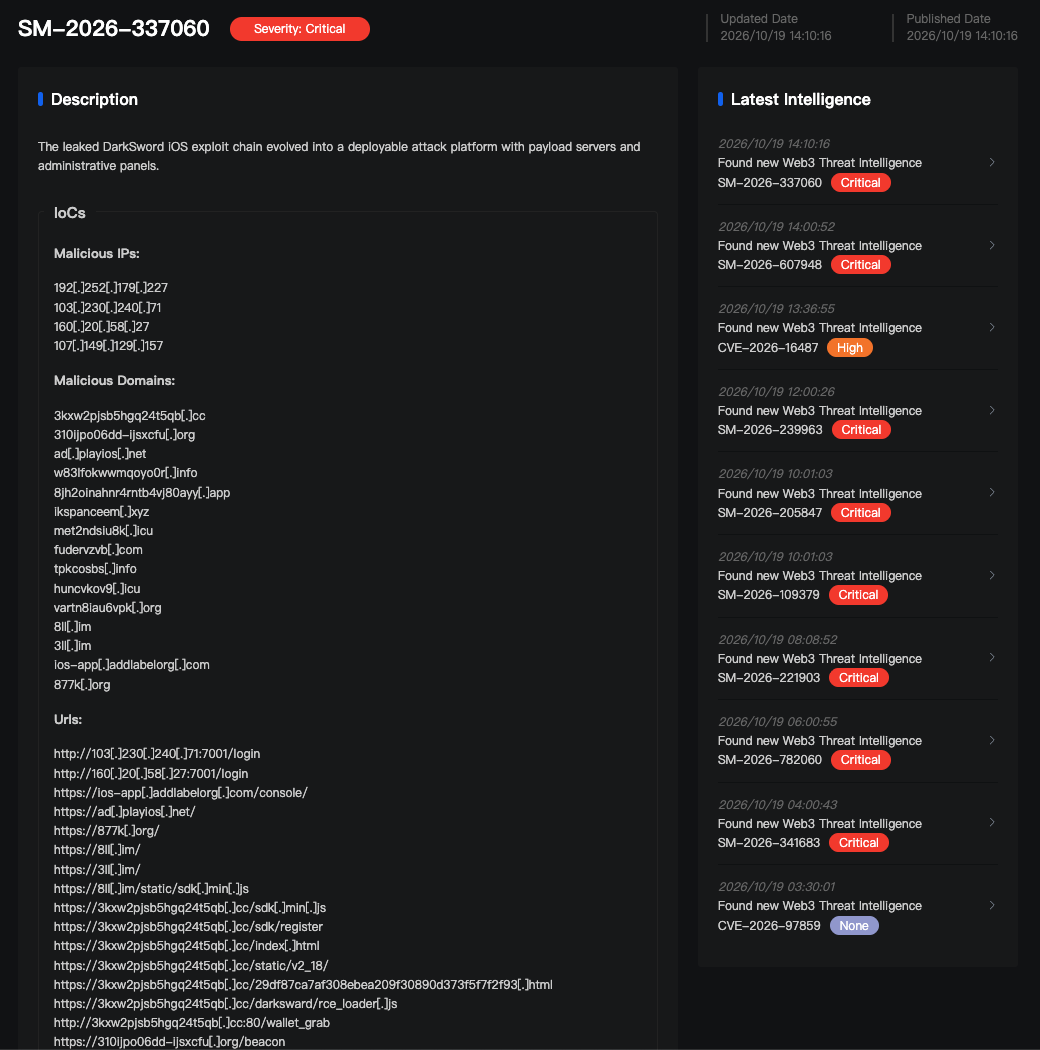
SlowMist’s investigation, reported on October 19, 2026 and based on evidence collected on October 16, describes an iOS attack toolkit built around the publicly available DarkSword exploit chain. The finding matters to wallet users because the examined code and management panel include wallet-data collection and fund-consolidation functions. Those functions show what the toolkit was designed to do; they do not establish how many wallets were compromised or whether funds were moved.
How the delivery system works
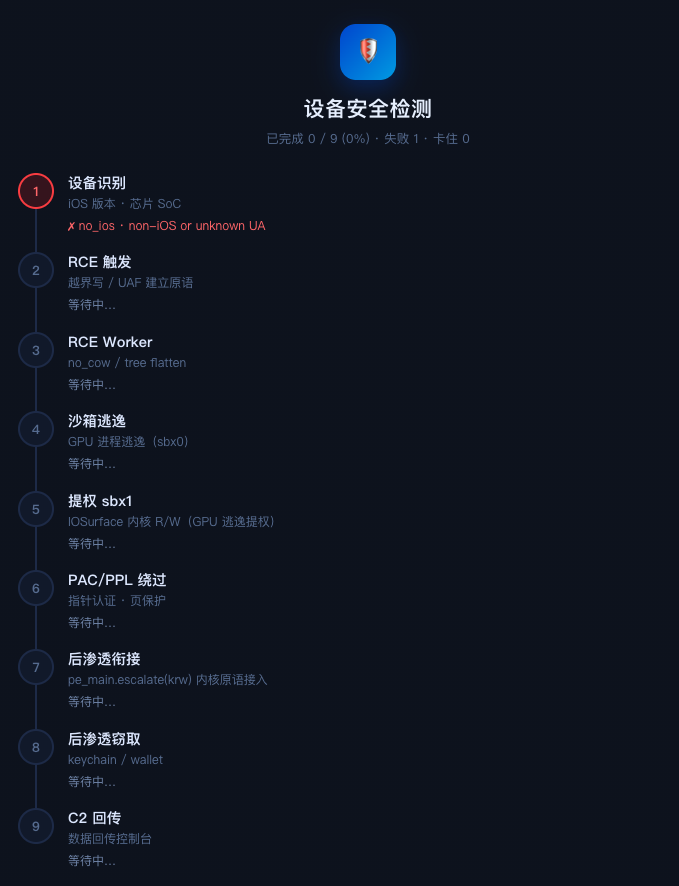
Google Threat Intelligence Group reported on March 18 that DarkSword targeted iPhones running iOS 18.4 through 18.6.2. A visit to a specially prepared page in Safari could trigger the chain without another click. SlowMist found a later delivery system that used themed lure pages and an SDK to identify a visitor’s iOS version, register the device and direct it toward an exploit chain.
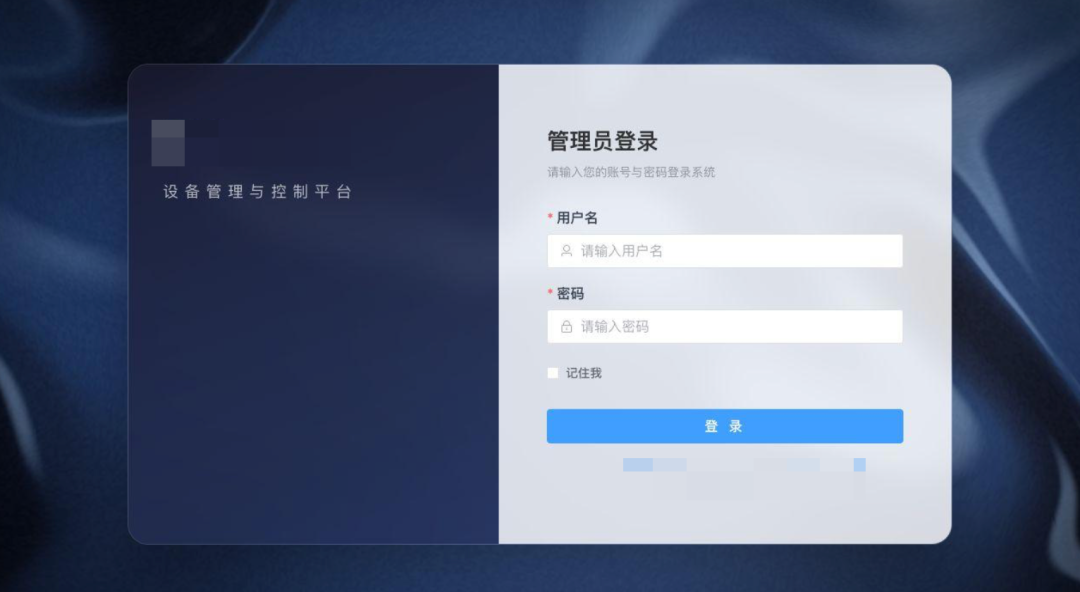
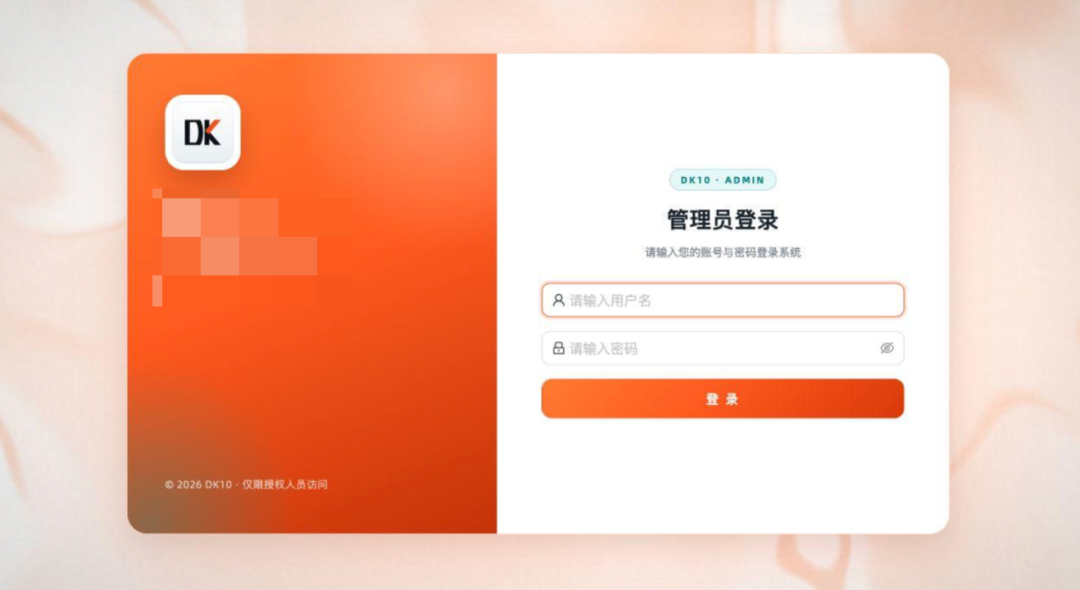
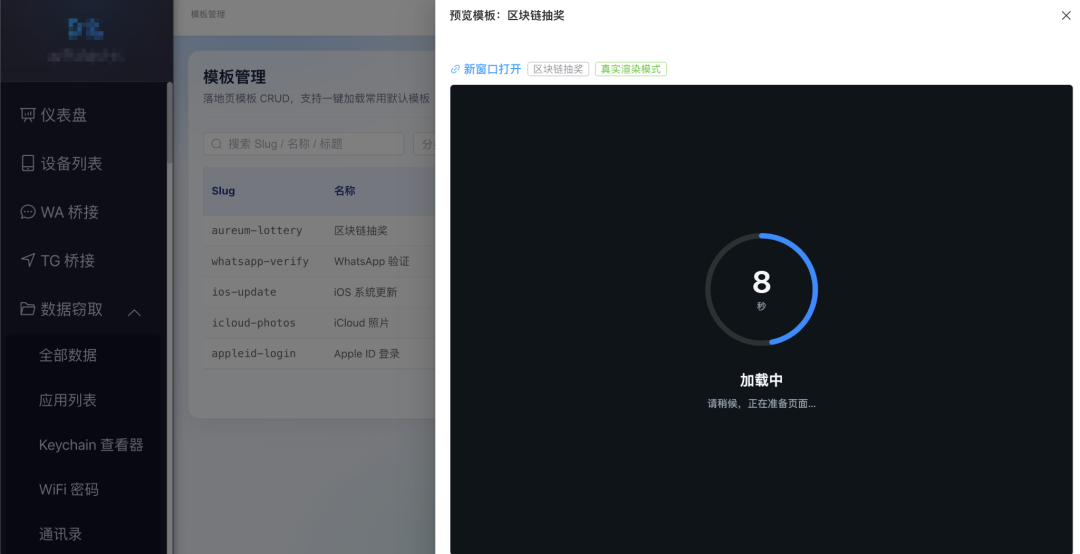
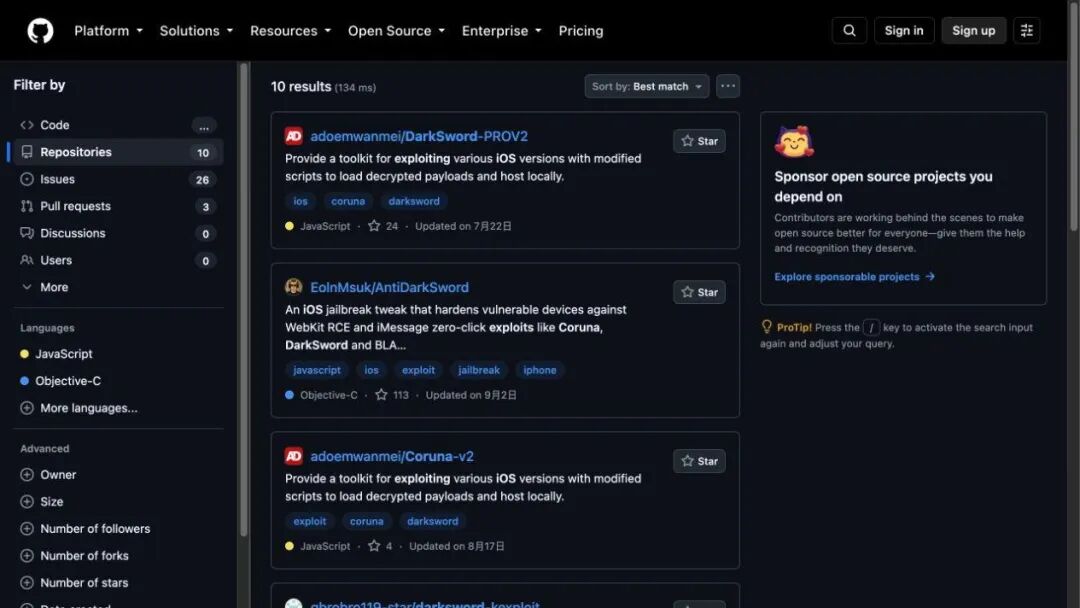
The system combined DarkSword-related code with Coruna, a separate chain for older iOS versions. SlowMist linked a live management panel to the GitHub repository adoemwanmei/DarkSword-PROV2: the panel and repository shared the DarkSword Admin API title and version 1.1.0, while the frontend’s components and technology stack also matched. The repository, created July 19, packaged an exploit chain, delivery server, admin interface and database. This is evidence of a deployable toolkit, not evidence that every claimed function worked on every device.


Which versions were actually covered?
Three different measures appear in SlowMist’s findings:
- Delivery reach: the entry point accepted devices from iOS 13.0 onward.
- Payload inventory: the panel held 1,045 records across 24 version labels, extending to iOS 26.6.1. Some entries were placeholders or marked as incomplete.
- Complete paths in the examined routing code: SlowMist identified iOS 18.6–18.7.2 and 26.0–26.1 as the two windows with the stages needed to complete the chain. That code assessment is not a measurement of successful exploitation on every version in those windows.
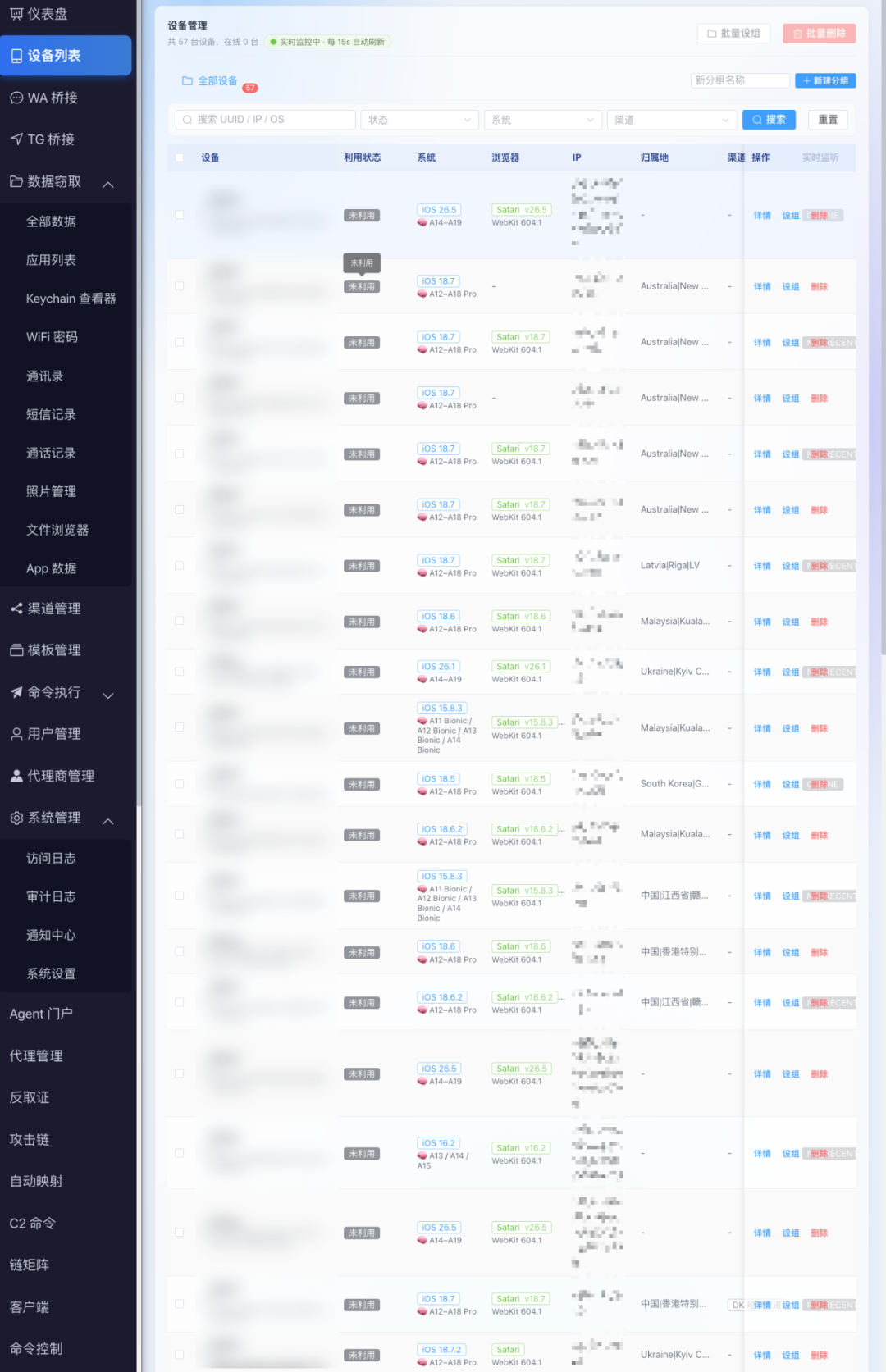
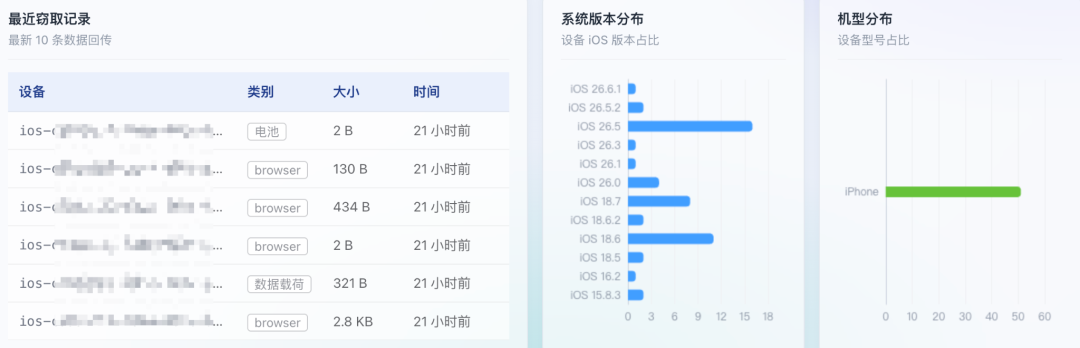
For iOS 26.2, the code marked exploitation as unverified; for later 26.x versions, required stages were empty. Likewise, the loader could direct iOS 18.4 and 18.5 devices toward the 18+ chain, but SlowMist said the routing code did not contain a complete path for them. A device appearing in the panel therefore does not by itself prove a successful exploit.
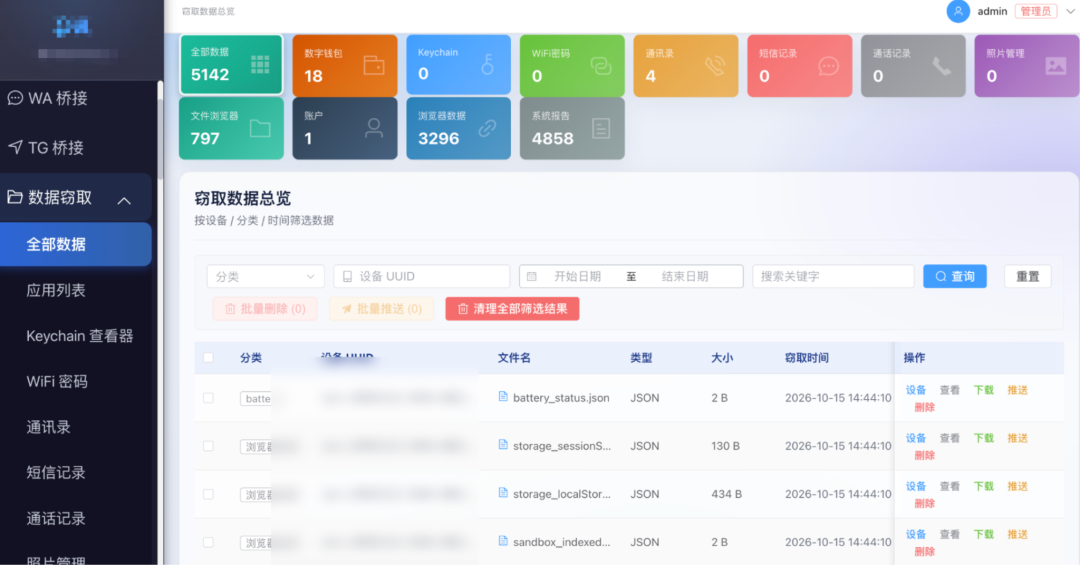
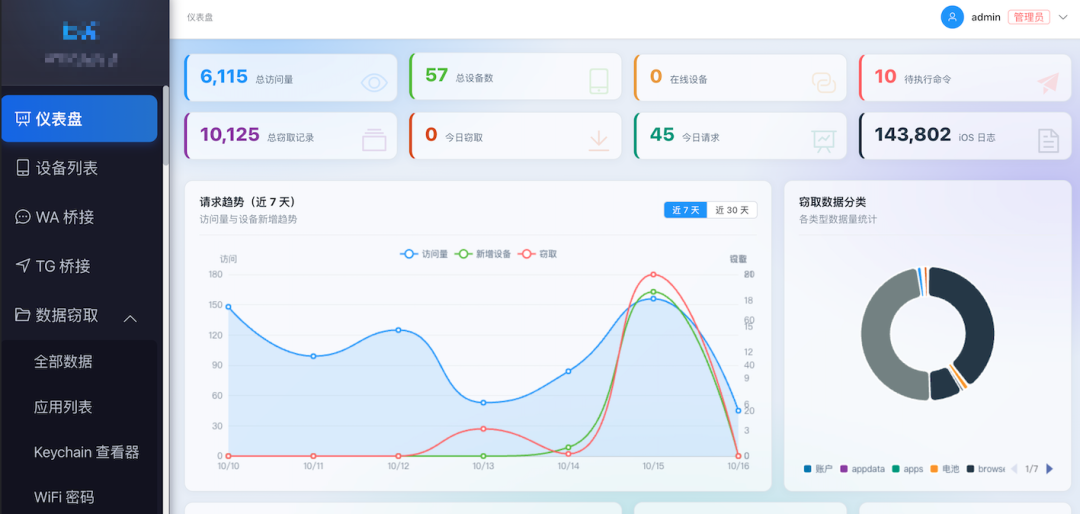
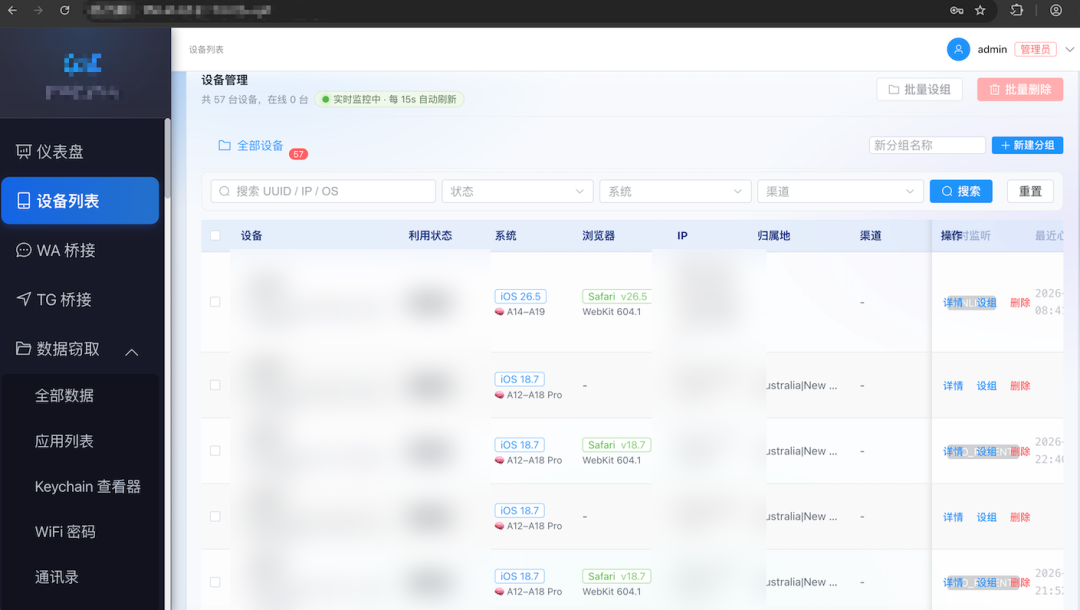
The panel displayed 57 devices and 10,125 stolen-data records. A separate 30-day funnel showed 20,187 page visits, 10 exploit successes and 9 data-exfiltration events. Its dashboard visit total of 6,115 covered seven days, so the visit counts should not be compared as though they used the same period. These are figures displayed by the examined panel, not independently established totals for all DarkSword activity.
Why wallets are a focus
SlowMist found code targeting wallet storage, keystore files and keychain data, with references to apps including imToken, TokenPocket and TronLink. The panel also exposed interfaces for viewing seed phrases and private keys, deriving addresses, checking balances and consolidating funds. Other code described data collection and a persistent command component. These findings describe capabilities and intended targets; they should not be read as confirmation that each function succeeded on a victim’s phone.
What to do if you visited a suspicious page
Keep iOS updated and avoid opening unfamiliar links, particularly short links received by message. If you believe an iPhone visited a suspicious landing page, SlowMist advises treating wallet credentials as potentially exposed: use a different device that did not visit the page to create a new wallet and seed phrase, move assets, and stop using the old credentials. Review transactions and approvals across affected chains, revoke approvals you no longer use, and preserve Safari history, crash records and unusual transaction records for investigation. A suspicious visit alone does not establish that exploitation succeeded, but the panel’s device list is not a reliable way for an individual to rule it out.