As reported on November 23, 2026, Chainflip was investigating the theft of roughly $12 million from vaults used to settle cross-chain swaps. The protocol had paused deposits, withdrawals and swaps. Its team said it had found and addressed a route by which a signing key leaked, but had not disclosed the full attack method.
What the vaults do
Chainflip lets users exchange native assets across chains without manually bridging or wrapping them. In a BTC-to-ETH swap, for example, a user sends BTC from a Bitcoin wallet and receives ETH at a specified Ethereum address. Chainflip’s just-in-time automated market maker lets liquidity providers update orders before execution; vaults on the respective chains handle receipts and payouts.
Vault payouts require a joint validator signature. Chainflip’s network can have up to 150 validators, and a payout normally requires participation from at least 100. The Ethereum vault transfer in this attack nevertheless passed signature verification, raising the question of how an unauthorized payout obtained a valid signature.
The transfers and the signature clue
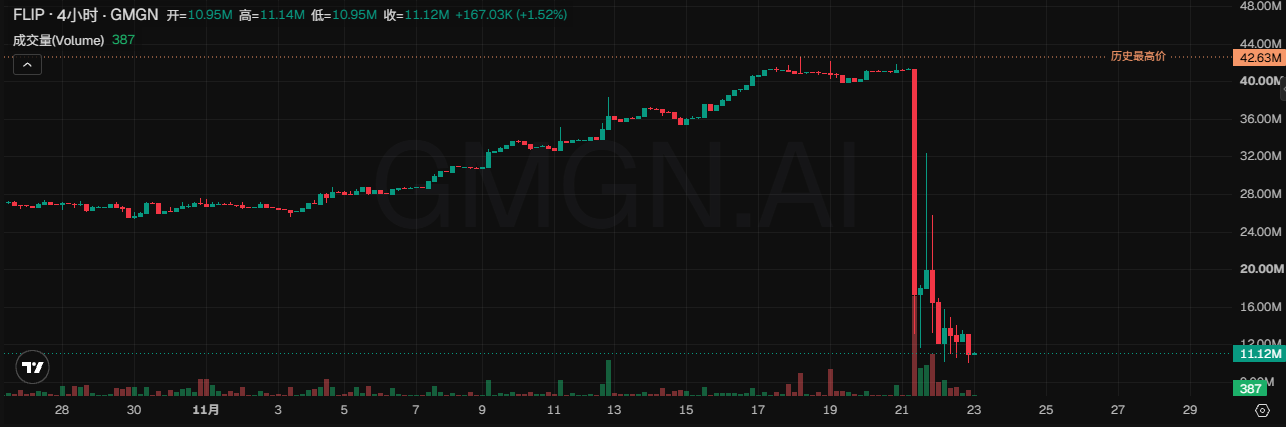
According to the reported on-chain sequence, 122.86 BTC, worth about $7.1 million, left the Bitcoin vault for a new address at around 14:41 Beijing time on November 21. About half an hour later, 520.22 ETH, approximately 3.25 million USDC and 758,000 USDT—together worth about $4.86 million—left the Ethereum vault. The attacker then exchanged the stablecoins for ETH through Uniswap and sent funds to Tornado Cash. The report says 2,909 ETH was deposited there within 8 minutes and 12 seconds of the Ethereum vault being emptied. FLIP was down more than 60% over the preceding 24 hours at the time of the report.
After reviewing nearly 300,000 Ethereum-vault signatures dating back to 2023, on-chain data platform Bitquery identified a 39-digit identifier on the attacker’s signature, unlike the generally increasing identifiers on ordinary payouts. The identifier prevents reuse, but the contract does not require identifiers to be consecutive. Because this one was unused and its signature passed verification, the vault executed the transfer.
Bitquery suspected the signature may have been produced outside the normal validator collaboration process, potentially using a complete signing key. That is an assessment, not a disclosed account of how the attacker obtained the key. Chainflip said it had identified and addressed a key-leak route, but had not explained whether this attack involved a validator key-handover flaw it had disclosed and fixed after an unsuccessful attempt in September.
The report traces earlier preparations to November 11, when the attacker obtained funds from Tornado Cash and later bought FLIP. A validator account was registered on November 20; FLIP is the token staked to bid for validator slots.
Response and unresolved questions
Chainflip entered a comprehensive safety mode and completed a validator-key rotation about 13 hours earlier than scheduled. Chainflip Labs offered the attacker a 10% bounty to return the remaining 90%—including 110.575 BTC and 2,618.1 ETH—by 02:38 Beijing time on November 24. It said it would withdraw its law-enforcement reports and complaints if the funds were returned on time, and claimed to have server and identity leads connected to the validator registration. Those claims did not establish that the attacker had been identified.
On November 22, founder Simon Harman said the attack had caused substantial losses for liquidity providers. He expressed confidence that the protocol could eventually resume, while saying a security investigation and checks on remaining assets were needed first. As of the November 23 report, the team planned to publish an incident report that day, and LP compensation remained under discussion. The report did not establish that services had resumed, funds had been recovered or a compensation plan had been approved.